The harder part nobody talks about
Postpartum depression doesn't just affect your mood. It rewires how you experience your own body. Many people I've worked with describe their sexuality as simply gone during the depression. What's harder to name is what happens after treatment begins: the pleasure doesn't flip back on like a light switch. It returns in fragments, if it returns at all, and rebuilding it requires a different kind of patience than you've probably ever needed.
Here's what I want you to know first. Your body didn't break. Your desire didn't disappear permanently. What happened is that depression convinced you those things were gone, and now your nervous system needs proof that it's safe to feel good again.
Why pleasure gets complicated after postpartum depression
Postpartum depression changes several things at once. Neurochemically, serotonin and dopamine dysregulation during depression means your brain literally loses sensitivity to reward. That extends to physical pleasure. Hormonally, the crash from pregnancy hormones combines with depression medication side effects, both of which can dull libido. Then there's the psychological layer: depression wraps around the experience of your body with a kind of protective numbness.
When treatment begins and mood improves, many people assume desire will automatically return. It doesn't. The nervous system has learned to protect itself through withdrawal. Your body took a survival stance, and it doesn't immediately know the threat has passed.
What this means practically: you might feel physically fine but unable to access arousal. Or you might feel aroused mentally but your body feels numb. These aren't signs of permanent damage. They're signs that reconnection is going to be a practice, not a destination.
Starting with your own body first
Before involving a partner or even thinking about penetration, rebuild your relationship with sensation on your own terms. This isn't masturbation in the traditional sense. This is nervous system retraining.
Start with touch that feels completely safe. That might be a hand on your forearm, your own hands on your neck, fingertips on your inner arm. Spend a few minutes daily noticing sensation without any agenda for pleasure. You're teaching your nervous system that touch is safe, that feeling things in your body is okay.
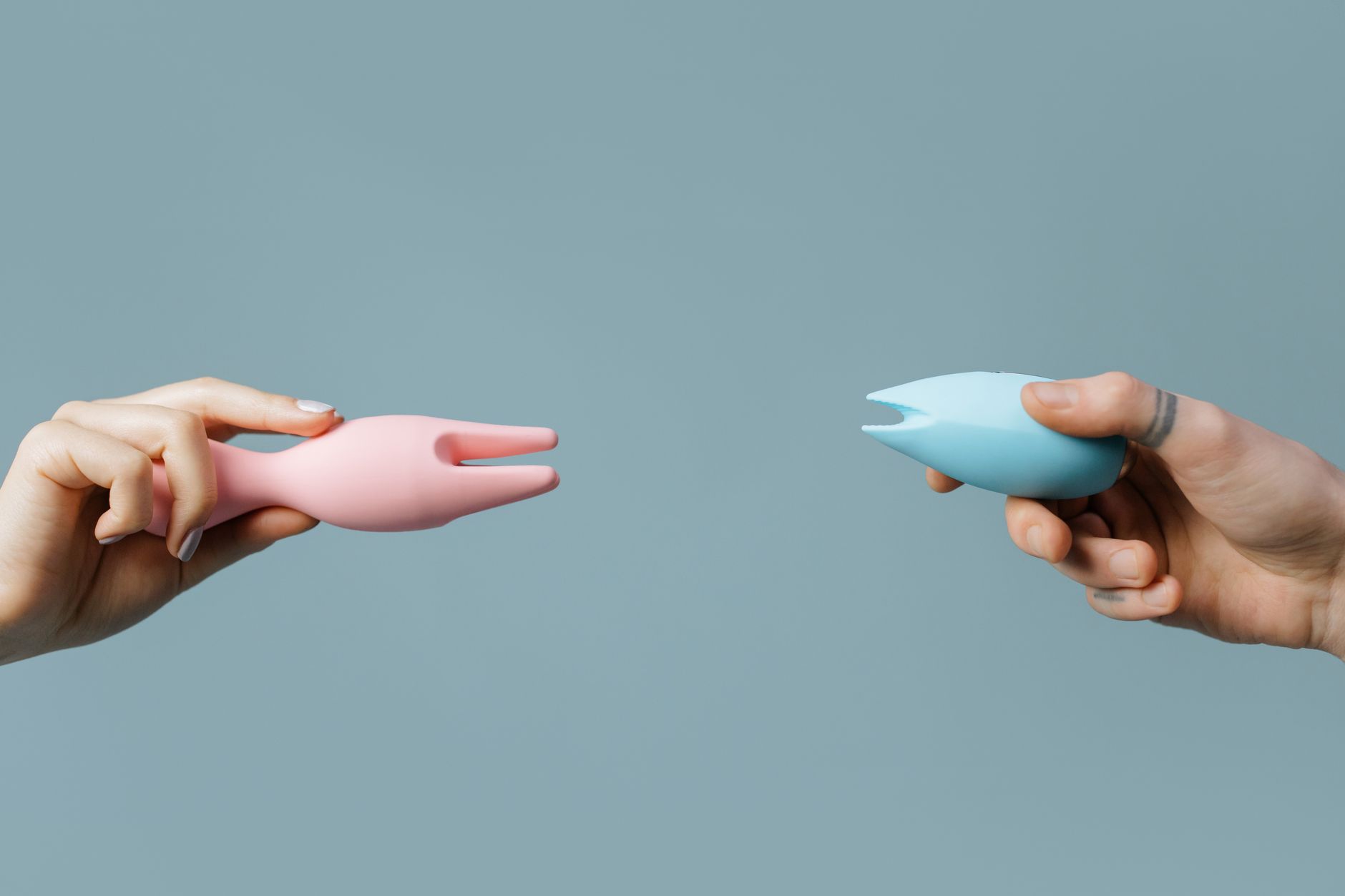
Once that feels natural, you can introduce a lemon clitoral vibrator on the lowest setting. The beauty of a device like the Lem is that it offers consistent, gentle stimulation that doesn't require you to perform anything. You're not managing anyone else's experience. You're not racing toward an orgasm. You're simply letting sensation happen.
Many people returning from postpartum depression find that suction-based stimulation (which lemon vibrators provide) feels less invasive than traditional vibration. There's something about the rhythm that many describe as soothing rather than demanding. Start with 5-10 minute sessions. Consistency matters more than intensity.
When you're ready to include a partner
Here's where the relationship piece gets critical. Postpartum depression often damages the emotional intimacy between partners. One person was struggling to survive. The other was managing household, childcare, and their own grief about watching someone they love suffer. Sex becomes loaded with all of that complexity.
Before you bring a lemon vibrator into the bedroom with a partner, have a conversation that isn't about sex. Talk about what you need to feel safe. Talk about what you're afraid of. Many people worry their partner is angry at them for withdrawing during depression. Many partners worry they're doing something wrong by wanting intimacy again. Those conversations need air before anything physical happens.
When you do come back to partnered pleasure, the lemon clitoral vibrator can actually reduce performance pressure. If you're using external stimulation, your partner isn't responsible for your arousal or orgasm. That takes an enormous weight off both of you. You get to focus on connection instead of mechanics.
Building a realistic timeline
I've worked with many people navigating this specific transition. Most take 2-4 months of consistent, gentle practice before pleasure feels even semi-reliable. Some take longer. That's not a failure. That's your nervous system doing exactly what it's supposed to do: taking time to trust safety again.
Set expectations with yourself and your partner. You might have days where sensation feels present and days where it doesn't. That inconsistency is normal. You might need to pause during a session with a partner and that's completely fine. You might have your first genuine orgasm in months and cry. All of that is part of returning.
Don't measure progress by whether you orgasm. Measure it by whether you showed up to the practice, whether you felt anything at all, whether your body is becoming less of a stranger to you.
The specific role of a lemon vibrator
Clitoral vibrators help with this particular kind of recovery in several concrete ways. First, they provide reliable sensation. When your nervous system is skeptical about pleasure, reliable rhythmic stimulation is less triggering than unpredictability.
Second, they're independent of performance. You don't have to do anything but receive sensation. That simplicity is huge when you're rebuilding trust in your own body.
Third, they work well for external-only stimulation, which many people returning from depression prefer. Less is happening in your body, which means less to manage emotionally.
Start on the lowest pattern. Don't chase intensity. Lemon vibrators like the Lem have multiple patterns, and the gentler ones often work better for someone rebuilding sensitivity. You can increase intensity later if you want to. Right now, consistent and gentle wins.
When to check in with professional support
Some people experience something called post-traumatic stress around their body after postpartum depression, especially if the depression was severe or untreated for a long time. If you find yourself unable to tolerate touch at all, even gentle touch, or if sensation triggers panic or dissociation, talk to your therapist about this specifically.
You might need additional support beyond what your partner or a vibrator can offer. That's not weakness. That's honoring what your nervous system actually needs.
Similarly, if your partner is struggling with how to support you, a couples therapist who understands postpartum depression can help. Sex after postpartum depression isn't just your recovery. It's both of you rebuilding intimacy after something that strained the relationship.
What often happens that surprises people
Many people tell me that their sexuality, when it returns, feels different and sometimes better than before. Depression, weirdly, can clarify what actually matters to you. You stop performing pleasure. You stop doing things because you think you should. You get very clear about what actually feels good.
Your partner might feel different in your body. Your capacity for presence might be deeper because you fought so hard to be here. Your pleasure might be slower to build but more genuinely felt when it arrives.
You're not going backward to where you were. You're moving forward to somewhere new.
Recovery from postpartum depression isn't linear. Neither is rebuilding pleasure. Both are worth the time.
The permission you might need
If you're reading this, you might be wondering if you're broken or if your partner is losing patience with you. You might think you should be further along than you are. You might feel guilty about how long this is taking.
None of that is accurate. Your body is doing exactly what it's supposed to do: learning to feel safe again. That's the opposite of broken. That's healing.
Start this week. Pick one evening or afternoon when you have 10 minutes alone. Put your hand on your forearm and notice what you feel. Try your lemon vibrator on the lowest setting for a few minutes. That's all. Consistency over intensity. Gentleness over performance.
You deserve to feel good again. Not in some distant future. Starting today.