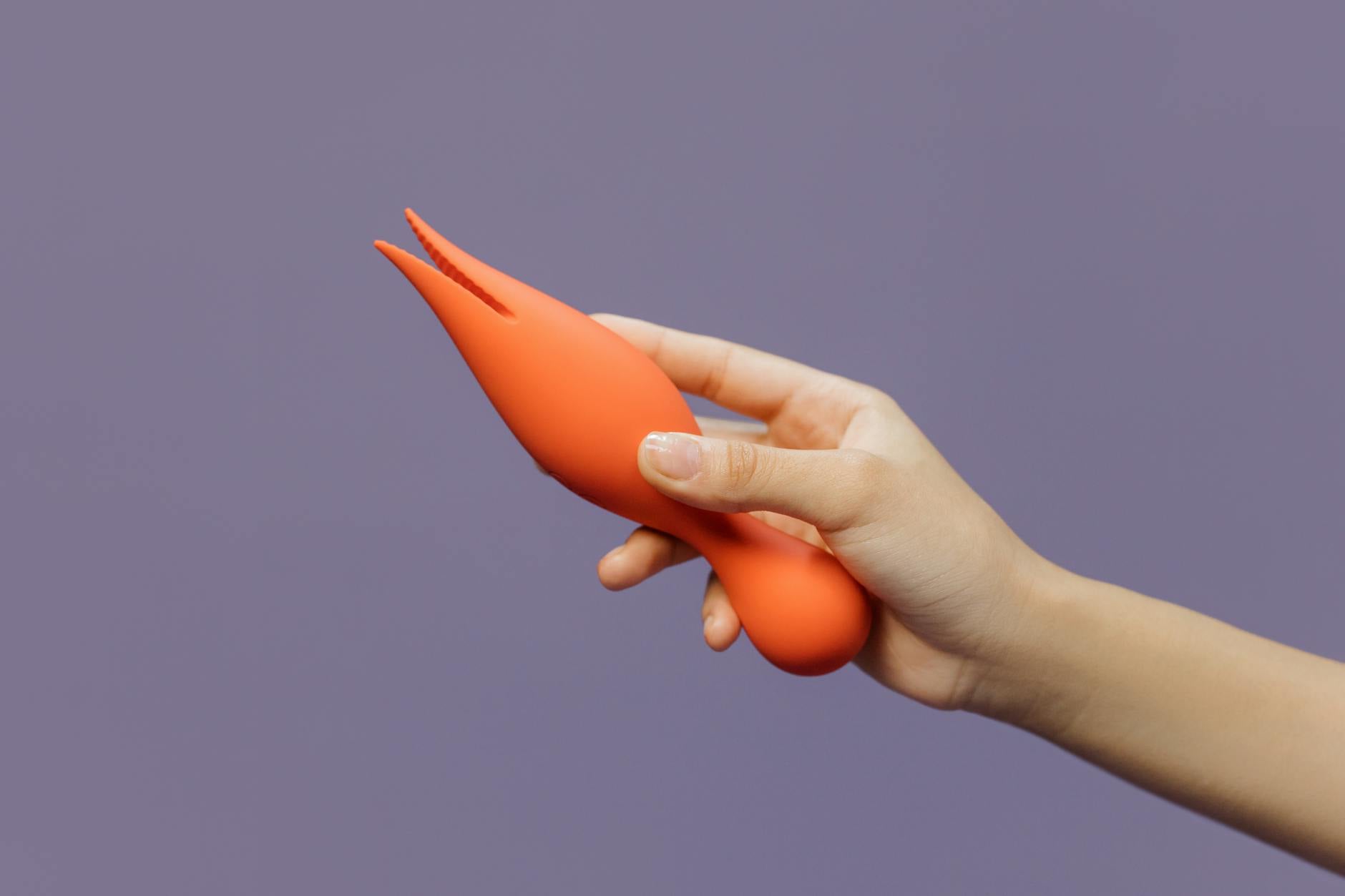
Here's what nobody tells you
When your partner stops initiating, the silence gets louder than any conversation. You start checking yourself. Maybe I'm less attractive now. Maybe they're stressed. Maybe I should just wait it out. And so you do wait, and the waiting becomes its own kind of resentment.
But here's the thing: your pleasure doesn't have to be dependent on their mood or their schedule. A lemon vibrator isn't a substitute for the conversation you need to have. It's the permission slip you give yourself to stop waiting.
Why unequal desire creates a pleasure trap
When one partner initiates less often, the higher-desire partner usually shifts into one of two roles: pursuer or ghost. The pursuer keeps trying, gets rejected or deflected, and eventually feels unsafe. The ghost accepts the mismatch and stops asking, which registers as withdrawal.
Meanwhile, both people stop exploring their own pleasure independently. The lower-desire partner might feel guilty about not wanting sex as often. The higher-desire partner might feel rejected if they touch themselves, like it's admitting defeat. You both end up trapped in this equation where sex equals togetherness, so being alone with pleasure feels like a comment on the relationship.
It's not.
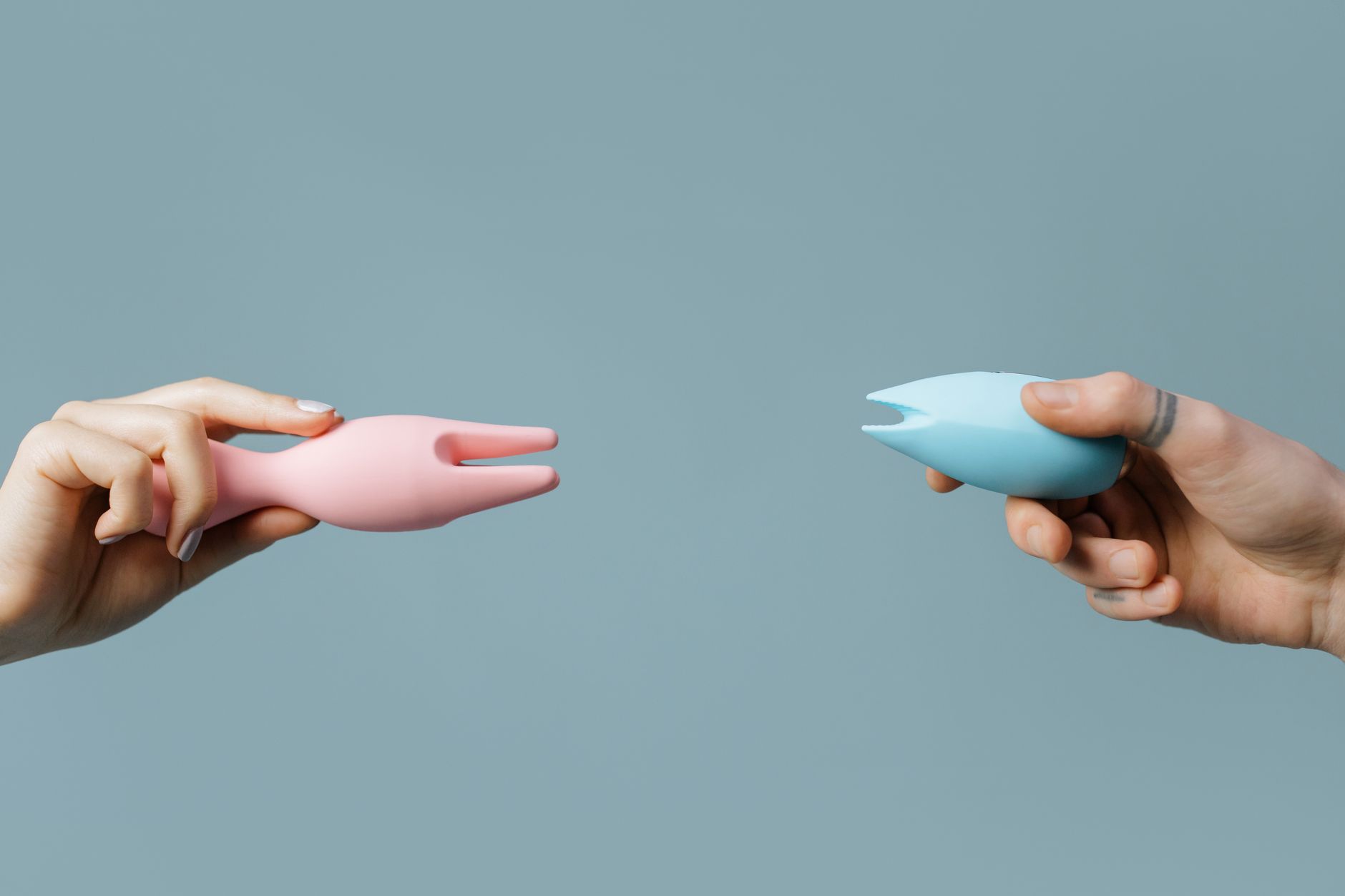
Photo by cottonbro studio on Pexels
What reconnecting with solo pleasure actually does
When you use a lemon clitoral vibrator on your own, you're not choosing it over your partner. You're choosing to know what your body wants independent of someone else's timing. This matters because desire isn't just physical. It's also informational. Your body is trying to tell you something about what you need, when you need it, at what intensity.
If you've spent years fitting your arousal into your partner's schedule, you might have lost touch with what your actual desire looks like. It doesn't follow their rhythm. It might peak at 6 a.m. when they're asleep. It might want intensity when they want gentleness. It might need 40 minutes when they only have 15.
Using a lemon vibrator alone lets you collect that data. And then here's the counterintuitive part: that data makes you a better partner. When you know your own arousal, you can actually negotiate instead of just accommodate.
How to start using a lemon vibrator without guilt
The first obstacle is usually shame. If your partner initiates less and you introduce a vibrator, won't that look like you're giving up on them?
No. And here's why: a lemon vibrator gives you something they can't, which is consistency and control. It doesn't require negotiation. It doesn't require them to be in the mood. It doesn't require you to manage their feelings about your desire. What it does is give you access to pleasure that exists independently of the relationship, which paradoxically makes you less desperate for the sex you have with them.
Start small. Pick one time per week, maybe a morning or evening when you have privacy. Use your lemon vibrator for 10-15 minutes. Don't make it a performance or a ritual yet. Just explore what it feels like to have pleasure that belongs entirely to you.
The air-suction design of lemon vibrators means you can use different patterns and intensities without worrying about overstimulation. Start with pattern one or two. You're not trying to reach an orgasm on day one. You're trying to remind your body what arousal feels like when there's no pressure.
What changes when you stop waiting
This is where the relationship part actually gets interesting. When you develop a consistent practice with a lemon sexual toy, several things shift. First, you're no longer touch-hungry. You're no longer silently angry about not being desired. You're no longer performing acceptance while actually grieving.
Second, you have actual data to bring to a conversation. "I notice I want sexual intimacy more often than we're having it. I've been using a vibrator to take care of that need, and it's helped me feel less resentful." That's a completely different conversation than "Why don't you want me?" One is about your needs. The other is an attack.
Third, and this is the part most people miss, you become a better lover. When you're not dependent on your partner for all of your pleasure, you can be more genuinely present when you are together. You're not performing desire to convince them you're worth desiring. You're actually enjoying sex with them instead of fighting resentment.
Using a lemon vibrator together, if your partner is ready
Sometimes the conversation that starts with "I'm using this alone" becomes "What if we used this together?" But that only works if both people actually want it.
If you decide to bring a lemon clitoral vibrator into partnered sex, the dynamic changes. You're not asking them to provide something they're not giving. You're adding something that works for your body. Some partners find this hot. Some find it threatening. Both reactions are real, and both deserve honesty.
The key is sequencing. Use it solo first. Get comfortable with it. Then, if the conversation feels safe, introduce it as a tool for you, not as a replacement for them. "I want to explore this with you" is different from "I need this because you're not enough."
Many couples find that when the higher-desire partner has independent pleasure available, the lower-desire partner actually initiates more. Not because they're jealous, but because the pressure is off. They can want sex for itself, not as a way to manage someone else's frustration.
When this isn't enough
Here's what I need to say as a therapist: a lemon vibrator is a tool for reconnecting with your own pleasure. It's not a fix for a mismatched relationship. If your partner initiates less often and you're using a vibrator to avoid that conversation, you're just delaying it.
If the desire gap is growing. If you feel rejected every time you're intimate. If you're using solo pleasure to numb resentment instead of to reconnect with yourself. Those are signs you need to talk to your partner or work with a couples therapist.
But if the mismatched desire is just how you're wired, and you're looking for a way to stay connected to your own sexuality while you figure out the relationship piece, a lemon vibrator is exactly that.
The pleasure that matters
Your orgasm matters even if nobody else is in the room. Your arousal is valid even if your partner isn't feeling it that day. Your body deserves attention and care whether or not it's part of a partnered experience. When you internalize that, everything shifts. You stop performing. You start living.
The lemon clitoral vibrator becomes less about compensation and more about autonomy. And that's when it actually becomes valuable in your relationship, because you're no longer waiting. You're choosing.
People also ask
Is using a vibrator alone a sign my relationship is in trouble?
Not at all. Solo pleasure and partnered pleasure are separate ecosystems. One doesn't cancel the other. Many people in deeply happy relationships use vibrators alone. It's about knowing your own body, not about being unsatisfied with your partner. If you're using a lemon vibrator to avoid a real conversation, that might be worth examining. But the vibrator itself? That's just you taking care of yourself.
What if my partner feels threatened by my lemon vibrator?
That's a real reaction and worth understanding. Some partners worry that a vibrator means they're not enough, or that you prefer it to them. That's a vulnerable conversation, not a character flaw in your partner. You might explain that the vibrator is about consistency and control, not about them. That it lets you know what your body needs, which actually makes partnered sex better. And you might acknowledge that yes, sometimes a vibrator feels different, and that's okay. Different doesn't mean better or worse. It's just different.
Can I use a lemon clitoral vibrator when my partner is in the room?
Absolutely, if you both want to. Some couples find it incredibly intimate. Others prefer to keep solo play separate from partnered time. There's no rule. The only guideline is that both people feel genuinely enthusiastic about it, not pressured. If your partner initiates less often, they might feel weird about watching you come without them. Or they might find it hot. The only way to know is to ask.
How often should I use my lemon vibrator if my partner initiates less?
There's no correct frequency. Some people use lemon vibrators a few times a week. Others use them daily. Some use them sporadically. The goal is to reconnect with your own pleasure, not to hit a quota. If you're using it because you genuinely want to, that's the right amount. If you're using it to fill a gap that actually needs a conversation with your partner, that's a sign to pause and talk.
Does using a vibrator alone affect how I experience sex with my partner?
Yes, but usually in good ways. When you're not touch-starved or resentful, partnered sex feels different. You're more present. You know what you actually want instead of what you think you should want. Some people report that their orgasms feel more integrated, because they're not separate from the rest of their sexual life. Others find that they have more patience and playfulness during partnered sex, because they're not desperately trying to get off.
What if my partner and I both have lower desire?
Then a lemon vibrator might actually help you both. It takes the pressure off expecting sex to happen a certain way or on a certain schedule. You can explore pleasure independently and then decide if you want to share it. Sometimes couples with matched lower desire find that solo play actually opens things up, because there's no demand. You're both choosing pleasure on your own terms.
References
Forsyth, R., et al. (2021). "Sexual desire discrepancy and relationship distress in long-term couples." Archives of Sexual Behavior, 50(3), 1089-1105.
Meston, C. M., & Frohlich, P. F. (2000). "The neurobiology of sexual function." Archives of General Psychiatry, 57(11), 1012-1030.
Shackelford, T. K., & Goetz, A. T. (2007). "Adaptation to sperm competition in humans." Neuroscience & Biobehavioral Reviews, 31(4), 618-627.
Tautz, I., et al. (2019). "Masturbation in partnered sexual relationships." The Journal of Sex & Marital Therapy, 45(7), 652-668.