Here's what nobody tells you about arousal after 40
Somewhere between your late 30s and early 40s, you might notice sex takes longer to build. Not because you're less interested. Not because something is wrong with you. Your nervous system has simply shifted its timeline.
For people with vulvas, this slowdown is neurological and hormonal. Estrogen fluctuations, thyroid changes, and shifts in blood flow mean arousal that used to happen in 5 minutes might now take 15 or 20. For people with penises, similar changes happen around 50 to 60, though individual variation is huge. The good news: understanding this shift is half the battle. The other half is learning to use tools like the Lemon Vibrator in a way that works with your body's natural pace.
I've worked with hundreds of people navigating this exact transition. The ones who thrive are the ones who stop seeing slowness as failure and start seeing it as permission to go deeper.
Why arousal legitimately takes longer
Three main mechanisms shift after 40:
Blood flow to the genitals becomes more gradual. Historically, this was evolutionary advantage. Slower arousal meant more time to assess safety and partner reliability. Your body is not broken. It's operating on older software.
Neurological arousal and physical arousal decouple. You might feel mentally turned on but your body hasn't caught up yet. This gap is completely normal. It's not confusion. It's just asynchronicity.
Baseline cortisol rises. This is the big one nobody talks about. Stress hormones naturally increase with age, which makes it harder for your body to enter rest and digest mode. You're competing against your own nervous system's factory settings.
The upside: slower arousal often means more intense sensation once you get there. Your nerve sensitivity doesn't diminish. Your body just needs a different setup to access it.
How to adapt your Lemon Vibrator technique
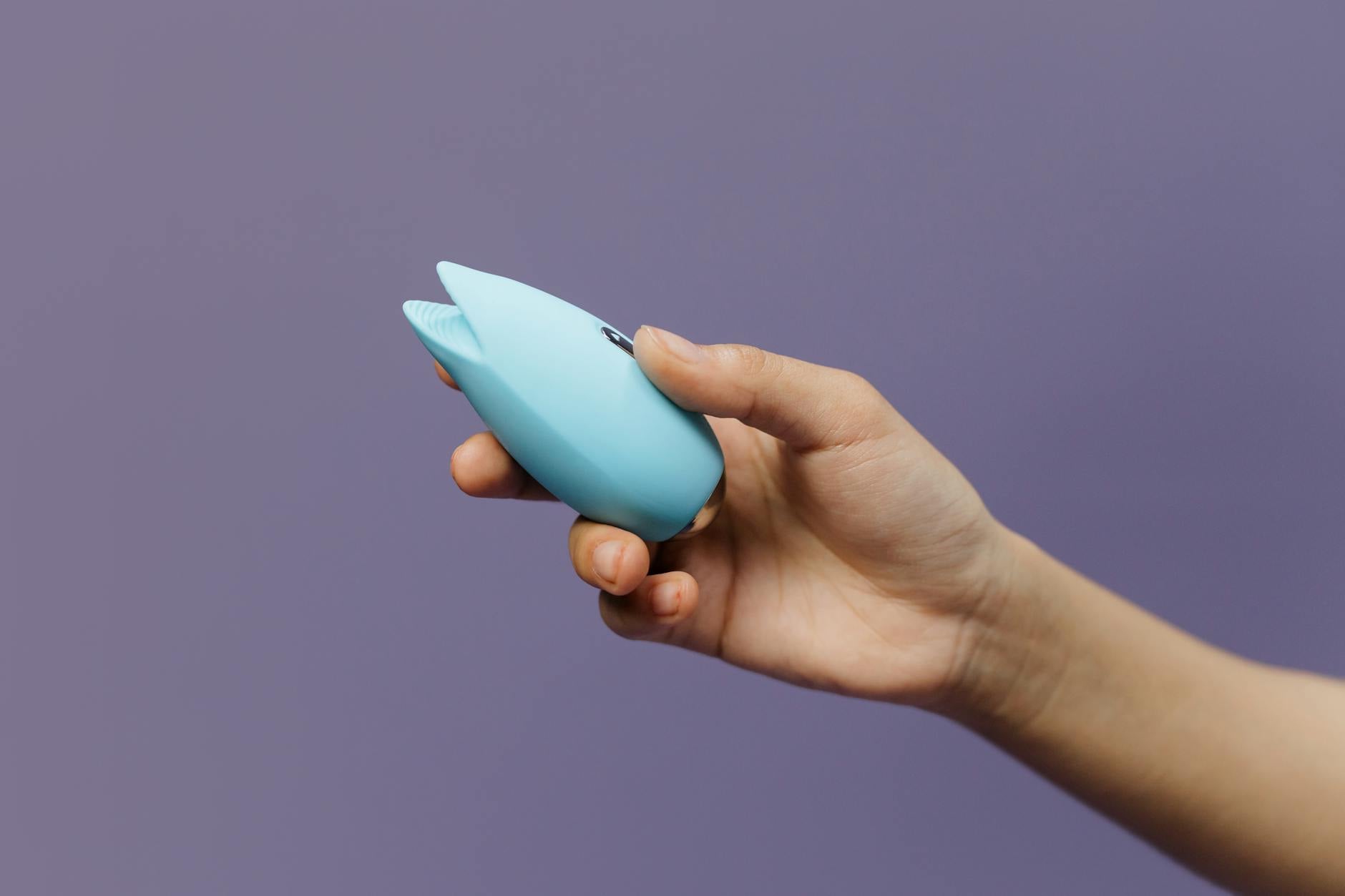
The Lemon Vibrator is engineered with air-suction technology, which means it works differently than traditional vibration. This matters when you're working with slower arousal.
Start at pattern 1 or 2, not pattern 3.
Your impulse might be to jump to the setting that worked for you at 25. Don't. The gentler suction creates a slow build that actually rewards the longer arousal window. Start light. Let sensation layer. You're not rushing to finish. You're calibrating sensitivity.
Give yourself 15 to 25 minutes minimum before you expect intensity.
This isn't laziness. This is physiology. Blood vessels take time to engorge. Nerve endings need repeated stimulus to fire consistently. The Lemon Vibrator's suction effect works best when you're patient enough to let your body's own lubrication and engorgement build first.
Use the Lemon Vibrator after at least 5 minutes of non-vibrator foreplay.
Touch your own body first. Let your partner touch you. Read something that turns you on. This "pre-arousal" phase shifts your baseline and makes the vibrator's effect feel more pronounced. You're not adding the vibrator to zero arousal. You're amplifying existing arousal.
Explore the in-between patterns, not just the highest setting.
After 40, many people find that patterns 2 through 4 deliver more pleasure than jumping straight to the max. There's a reason. Slower, more nuanced stimulation gives your nervous system time to process sensation without overwhelming it. The goal isn't the fastest orgasm. It's the deepest sensation.
The mental shift that changes everything
Here's where most people get stuck: they interpret longer arousal as a loss instead of a reframe.
When arousal takes longer, you have more time to notice what actually feels good. You have more bandwidth to be present with sensation instead of chasing an endpoint. You can feel your partner. You can feel yourself. This is not a downgrade. This is an upgrade you didn't ask for but absolutely deserve.
The Lemon Vibrator works particularly well for this mindset shift because its air-suction design invites curiosity. You're not just triggering an orgasm. You're exploring sensation. Each pattern feels slightly different. Each setting reveals something new about how your body responds.
I tell people: stop thinking of arousal as a ramp with a finish line at the top. Think of it as a landscape you're exploring. Longer arousal means you get to see more of the terrain.
Practical timing adjustments that actually work
Morning sessions trump evening sessions. Cortisol is lower in the morning. Your nervous system is fresher. You have more baseline energy. If you've been struggling with arousal timing, try shifting your solo or partnered sessions to earlier in the day and notice the difference.
Plan for it instead of expecting spontaneity. Anticipation is arousal fuel. If you know you're going to use your Lemon Vibrator at a specific time, your brain starts firing arousal pathways hours before. This "pre-planning" actually shortens the time it takes to reach intensity because you're not starting from a cold nervous system.
Create a dedicated space and ritual. This sounds extra but it's neuroscience. Your brain learns to shift into rest and pleasure mode when you show up to the same place with intention. Light a candle. Play something. Put your phone in another room. These cues tell your nervous system "we're safe now, you can slow down and open up." After 40, this nervous system permission is half the battle.
What to do if you're partnered
If you have a partner, the timing shift affects both of you. Communicate about it directly.
"I'm noticing I need more time to get aroused these days, and I want us to build that into how we play" is not a problem statement. It's a fact statement. Your partner doesn't have to slow down. But they might appreciate knowing the timeline so they're not interpreting slowness as disinterest.
Many people find that using the Lemon Vibrator together actually shortens the gap. You can use it on yourself while your partner touches you elsewhere. You can take turns being the focus. The vibrator becomes a tool that lets both of you access pleasure on your own timelines without one person waiting for the other.
When slower arousal signals something else
Slower arousal after 40 is normal. Absent arousal is different.
If you're feeling zero desire, that warrants a conversation with a healthcare provider. It could be medication side effects. It could be thyroid function. It could be depression or chronic stress. A Lemon Vibrator is brilliant, but it's not a substitute for addressing underlying health shifts.
Similarly, if arousal takes longer but pain appears during sex, that's a signal to see someone. Pelvic floor tension, hormonal shifts, or tissue changes sometimes need clinical support alongside pleasure tools.
The reframe that sticks
Your body after 40 isn't slower. It's slower at some things and faster at others. You're faster at knowing what you want. You're faster at setting boundaries. You're faster at asking for what actually feels good instead of what you think should feel good.
Arousal taking longer is just your body demanding that you show up more intentionally. The Lemon Vibrator responds beautifully to intention. Use that.
Frequently asked questions
How long should I expect arousal to take after I turn 40?
It varies wildly, but 10 to 25 minutes from initial touch to noticeable engorgement is normal. Some people notice a shift at 38, others not until 50. Hormonal history, stress levels, sleep quality, and relationship dynamics all factor in. There's no timeline you're failing. You're just operating on your own rhythm now.
Does the Lemon Vibrator help if arousal is slow?
Yes, particularly because of how the suction works. Instead of harsh, rapid vibration that requires your body to already be aroused to feel good, the Lemon Vibrator's gentler air-pulse pattern can help initiate arousal and then deepen it. You're inviting sensation rather than forcing it. That matches the pace your body wants to move at after 40.
Should I use the Lemon Vibrator differently if arousal is taking longer?
Absolutely. Start at lower settings, give yourself more time for foreplay before introducing the vibrator, and plan sessions instead of expecting spontaneity. Your body isn't broken. It's just asking you to be more intentional. How to Use a Lemon Vibrator When Starting Solo Exploration Later in Life covers similar adaptation strategies in more depth.
Is slower arousal after 40 permanent?
Not necessarily. It can shift with sleep, stress levels, relationship changes, and sometimes medical intervention if hormonal shifts are significant. But even if it stays slower, you learn to work with it. And honestly, most people tell me they prefer it. Slower means deeper. Deeper means better.
Could medication be slowing my arousal?
Yes. Antidepressants, blood pressure medications, and hormonal birth control all affect arousal timing. If you suspect this, talk to your prescriber. Sometimes switching medications or adjusting timing helps. Sometimes it doesn't. But it's worth checking rather than assuming your body is just changing.
What if my partner is frustrated with slower arousal?
That's a conversation starter, not a problem you need to fix. Share this with them: "My body needs more time now, and that's normal. Here's what helps." If they're open to it, How to Use a Lemon Vibrator With a Partner When Foreplay Feels Rushed offers strategies for partnered play that honors both timelines. If they're not open to it, that's a different conversation, and a couples counselor might help more than a vibrator will.
The bottom line
Arousal taking longer after 40 isn't a sign you're losing your sexuality. It's a sign you're entering a phase where pleasure demands presence instead of speed. Your Lemon Vibrator is perfectly designed for that shift. Start slow, plan ahead, communicate clearly, and trust that your body knows what it's doing. It does.
If you want more guidance on tailoring your pleasure practice to your changing body, reach out. That's what we're here for.