The thing nobody mentions until you're experiencing it
Your body just did something extraordinary. It grew a human and pushed them out. And now you're sitting there thinking: why does everything feel... numb? Not emotionally numb (though that can happen too). Physically numb. Like someone turned down the volume on sensation in your vulva.
This is postpartum numbness, and it's wildly common. It also feels wildly lonely because almost nobody talks about it. You'll see posts about recovery timelines, pelvic floor exercises, and when it's safe to have sex again. But mention that you can barely feel touch down there? Suddenly the conversation gets quiet.
What actually causes postpartum vulva numbness
Three main culprits: trauma, swelling, and nerve disruption.
If you had a vaginal delivery, the tissues stretched significantly. If you tore (or were cut), the repair process involves swelling that can compress nerves. If you had an epidural, the numbness often starts there and radiates to surrounding tissue. Some of it fades in weeks. Some takes months.
The second layer: hormones. Estrogen bottoms out after birth. Lower estrogen means thinner tissue and less blood flow to the area. Less blood flow means slower healing and slower return of sensation. Breastfeeding keeps estrogen suppressed even longer.
The third layer: nerve healing. The pudendal nerve and the sensory branches that serve your vulva got stretched, compressed, or bruised during delivery. Nerves heal slowly. Like, slower than you want them to.
Here's what's important: this is not permanent. It feels permanent at three weeks postpartum when you're sleep-deprived and your body feels like it belongs to someone else. But the studies show most sensation returns within three to six months. The numbing you feel at six weeks is not a preview of your new normal.
Why numbness makes pleasure feel impossible
You can't enjoy something you can't feel. Touch feels muted, almost like it's happening to someone else's body. Orgasm, if you're even trying for it, feels distant or flat. Some people describe it as being unable to reach a peak. Others say sensation is there but dampened, like listening to music through a wall.
This creates a second problem: anxiety. You worry the numbness is permanent. You worry your partner will get frustrated. You worry you've lost something you'll never get back. That anxiety tightens the pelvic floor, which further reduces sensation.
Meanwhile, your brain is also running a loop of doubt: "Should I even be thinking about pleasure right now? Isn't this supposed to be about bonding with my baby?" (Yes to bonding. Also yes to reclaiming your body. These aren't competing.)
How Lemon Vibrators approach this differently
Most vibrators rely on intensity and frequency. If sensation is already muted, a regular vibrator might just feel like buzzing against a numb spot. You'd have to crank the power up to feel anything, which can irritate healing tissue or overstimulate a nerve that's still recovering.
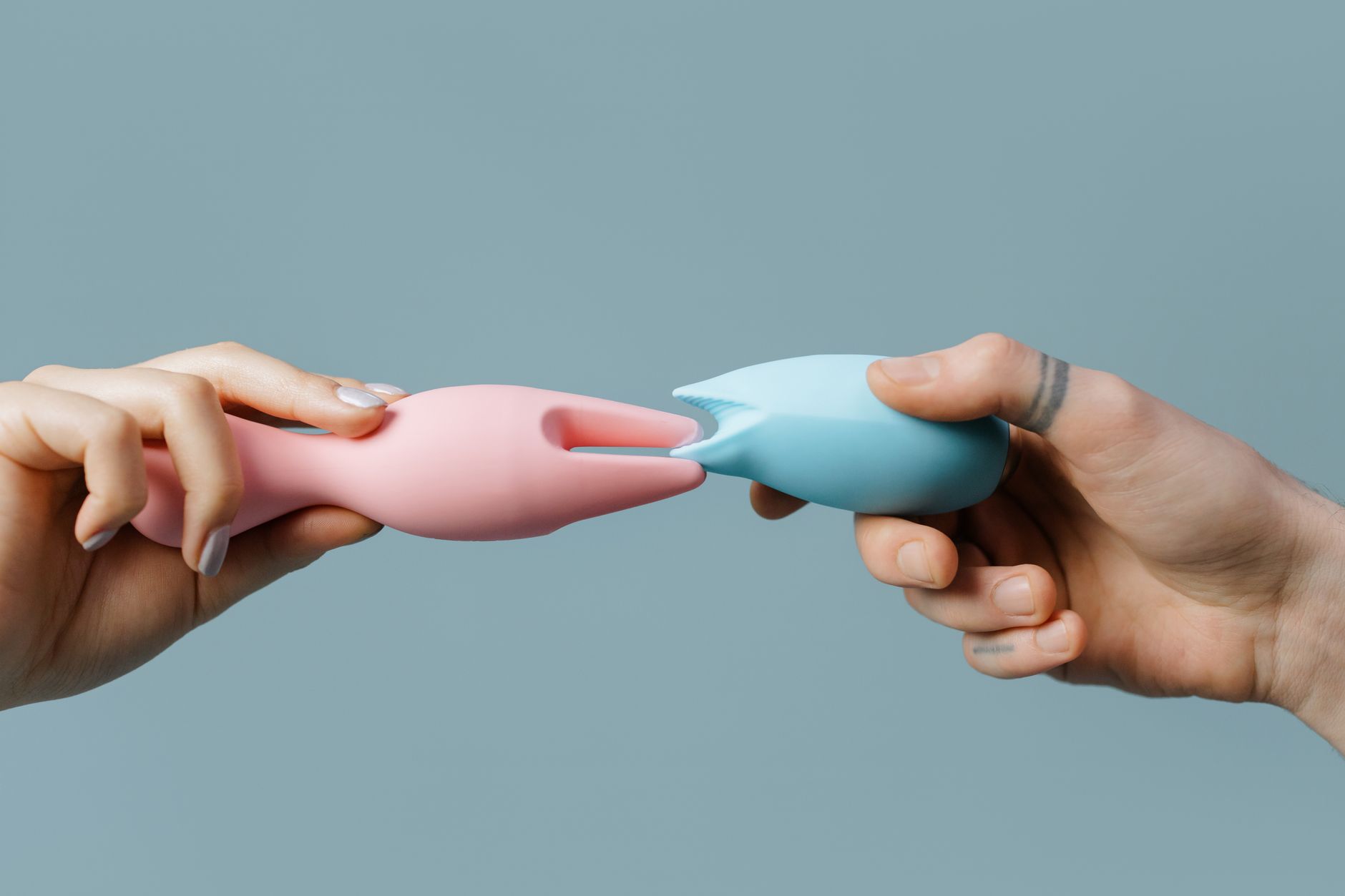
Lemon clitoral vibrators use suction stimulation instead. The technology gently pulls and releases tissue without direct friction. This matters because:
It reaches deeper sensation pathways. Suction activates nerve endings at a different depth than surface vibration. When superficial sensation is numb, suction can access the sensory information that's still available underneath.
It doesn't require intensity. You can feel sensation-building at pattern 1 or 2 on the Lem, where a traditional vibrator at the same power level would feel like nothing. This is especially important early in recovery when tissue is still tender.
It trains your nervous system to recognize pleasure again. Numbness isn't just about sensation; it's about your brain and body being disconnected. The gentle, building stimulation from a lemon clitoral vibrator helps re-establish that dialogue.
The timeline that actually helps
Weeks 1-4 postpartum: Don't use anything. Your body is bleeding, cramping, and healing. This is not the time.
Weeks 4-6: If your doctor has cleared you, you can start noticing sensation again without any tools. Warm baths. Hand touch. Gentle exploration. The goal is reacquaintance, not arousal.
Weeks 6-12: This is when lemon vibrators start making sense. Your doctor has likely cleared you for penetration and masturbation by now (ask, don't guess). Start with the lowest setting on the Lem. Three to five minutes max. The point is to activate sensation, not chase an orgasm.
Weeks 12 and onward: Most people notice real sensation returning here. Numbness begins lifting. You can use higher patterns and longer sessions, though some days will still feel muted.
These are ranges, not rules. Some bodies need a longer timeline. Some recover faster. The nervous system doesn't run on a schedule.
How to actually use a lemon clitoral vibrator during postpartum recovery
Start with water-based lubricant. Even if you don't think you need it, your body might. Postpartum tissue is often drier. Lubricant protects healing tissue and improves sensation contact.
Warm up first. Spend ten minutes doing something that feels good but isn't directly sexual. A warm shower. A massage. The warmth increases blood flow, which helps sensation wake up.
Use the lowest pattern. Set the Lem to pattern 1. Let it sit there for a moment. Notice what you feel. Numbness might mean you feel barely anything. That's the baseline. The point of early use isn't to feel amazing. It's to tell your nervous system that sensation exists.
Keep sessions short. Five to ten minutes. You're not trying to orgasm (though if it happens, fine). You're training your body to feel again. Pushing for intensity defeats the purpose.
Track what changes. After a week of short sessions, you might notice sensation is 10 percent sharper. After two weeks, maybe 20 percent. Document it mentally so anxiety doesn't convince you nothing is changing. It is.
When to pause and talk to your doctor
If numbness is accompanied by burning, shooting pain, or prickling sensations (paresthesia), that's your nerve healing and it's actually a good sign. But if pain is sharp or constant, check in with your gynecologist.
If numbness hasn't started improving by four to five months postpartum, ask about pelvic floor physical therapy. A PT specializing in postpartum recovery can identify areas of tension or scar tissue that might be compressing nerves.
If you're struggling emotionally with the changes to your body, that matters too. Postpartum depression and anxiety often wrap around sexuality. A therapist or your OB can help separate what's physical from what's psychological.
The conversation with your partner
If you have one, here's what helps: "My body is healing and sensation is coming back slowly. I need us to explore this together without pressure toward orgasm or intensity. Slow, patient touch helps me more right now than anything else."
Then actually tell them what slow and patient looks like. Are you comfortable with penetration? Do you want only external touch? Do you want them present but not touching while you explore with the Lem? These aren't small details. They're the architecture of trust while your body is vulnerable.
What returns and what changes
Most sensation returns. But postpartum bodies often feel different even when sensation is back. You might find that certain patterns now feel better than they did before. Your body might need longer warm-up time. Your clitoris might be more or less sensitive. Some of these changes are temporary. Some are just your new normal.
That's not a loss. That's information. And information is how you rebuild pleasure that actually fits your body now, not an imagined version from before.
FAQ
How long does postpartum numbness usually last?
Most people experience significant improvement between three and six months postpartum. Some notice changes as early as six to eight weeks. Others take longer, especially if they had significant tearing or an episiotomy. The timeline also depends on whether you're breastfeeding (which keeps estrogen lower) and whether you're managing pelvic floor tension. If numbness persists beyond six months, pelvic floor physical therapy is worth exploring.
Is it safe to use a lemon clitoral vibrator if I had stitches or tearing?
Yes, but wait until your doctor has cleared you for sexual activity, which is typically four to six weeks postpartum. Start with external use only, away from any scar tissue. The suction technology on lemon vibrators is gentler than traditional vibrators, but newly healed tissue is still sensitive. Use the lowest pattern, keep sessions brief, and stop immediately if anything feels painful (pressure or mild discomfort is different from sharp pain).
Can numbness get worse if I use a vibrator too early?
Potentially. If you're still bleeding or within the first two weeks, internal use can disrupt clotting. Even external use on very fresh tissue can cause irritation or increase swelling, which delays sensation return. Your doctor's clearance is the green light. Until then, rest is the better choice.
Why does postpartum numbness happen even with a C-section?
Caesarean births avoid vaginal trauma, but they don't avoid hormonal changes or nerve involvement. The pudendal nerve still carries sensation from the vulva, and it can be affected by inflammation, positioning during surgery, or epidural placement. C-section numbness is often less severe and resolves faster than vaginal delivery numbness, but it's still real and still common.
Should I be using a lemon clitoral vibrator or a different kind of toy?
Clitoral vibrators, particularly ones using suction technology, are ideal for postpartum recovery because you can use low-intensity stimulation without losing sensation contact. Traditional wand or bullet vibrators require higher power to feel something when sensation is muted. Internal toys should wait until numbness is lifting and you're cleared for penetration. The Lem works well because the lowest settings still activate sensation when your nervous system is suppressed.
What if I still feel mostly numb after using a lemon vibrator for a few weeks?
That's normal. Your nervous system is healing on its own timeline, and a vibrator is just a tool to support that process, not to rush it. If numbness isn't improving after three to four months, or if you're experiencing pain alongside numbness, ask your doctor about pelvic floor physical therapy. A PT can identify scar tissue, tension, or nerve issues that might need direct treatment. Sometimes the barrier to sensation recovery isn't time. It's a physical blockage that needs professional attention.
The bigger picture
Postpartum numbness isn't a sign that your body is broken. It's a sign that your body did something huge and needs time to reorganize. Sensation returns. Pleasure comes back. The timeline is frustrating when you're living through it, but it's temporary.
A lemon clitoral vibrator can help that process by keeping you connected to your body while your nervous system heals. But the real work is patience, communication, and permission to let your sexuality rebuild at its own pace.
Your pleasure matters. And it will come back.
If you have questions about your recovery or want support navigating this transition, we're here. Reach out to our team at /contact.